A soup kitchen in a church basement, a dozen cooks, pots clashing, hungry people eating a little too fast. The man sat by himself in a corner on a folding chair reading the newspaper. He didn’t eat and he didn’t wash dishes, so I asked him and he said, “See all those old folks in the kitchen? If I didn’t bring them, they wouldn’t be here. Be a waste of good cooks! Lotsa good cooks can’t drive, you know. I bring the cooks. I take the cooks home. You could say driving the cooks is my ministry.” You could indeed.
Dismissals
-
-
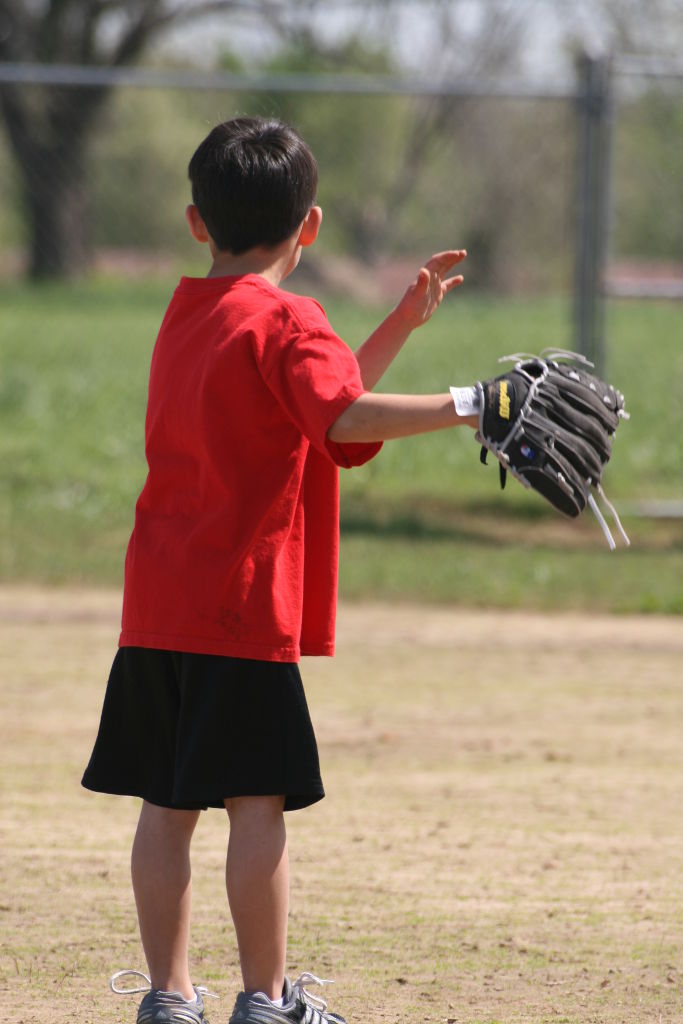
The old man brought his boy to Little League practice. The old man didn’t help out like the other dads, he just sat the bleachers and watched. One day the coach called over, “Hey, Gramps! How ‘bout you hit a few balls to the outfielders?” A little shaky coming off the bleacher, he took up a weathered bat, spit in his palm and called out, “Center-field! Look sharp!” Whack! That ball arced up and up and fell to earth right close to his boy. It was an error on the center-fielder but a happier center-fielder there never was.
-
I knew Eddie was raised by his uncle but I didn’t know why. When his uncle died, I went to the funeral. Eddie gave the eulogy. He told of being arrested when he was thirteen for an adolescent prank. He was sent to the wayward boys’ home. When his time was done, his father would not let him come home. It was Eddie’s uncle who took him in. Eddie finished high school, served in the Navy and landed a good job. At the funeral, Eddie told us of his one, great regret: His father and his uncle never spoke again.
-
At the homeless shelter, sitting on a folding chair in an out-of-the-way nook, he leaned in close to listen to a homeless man. He listened, then said a few words, then listened. I watched him from across the room. I would have asked him about the conversation, what was said? I never had the chance. Once the conversation ended, he made a beeline for the door. There could be no appearance of a broken confidentiality, no possibility that casual chatter might betray a trust. He just plain up and left and the men respected him for it.
-
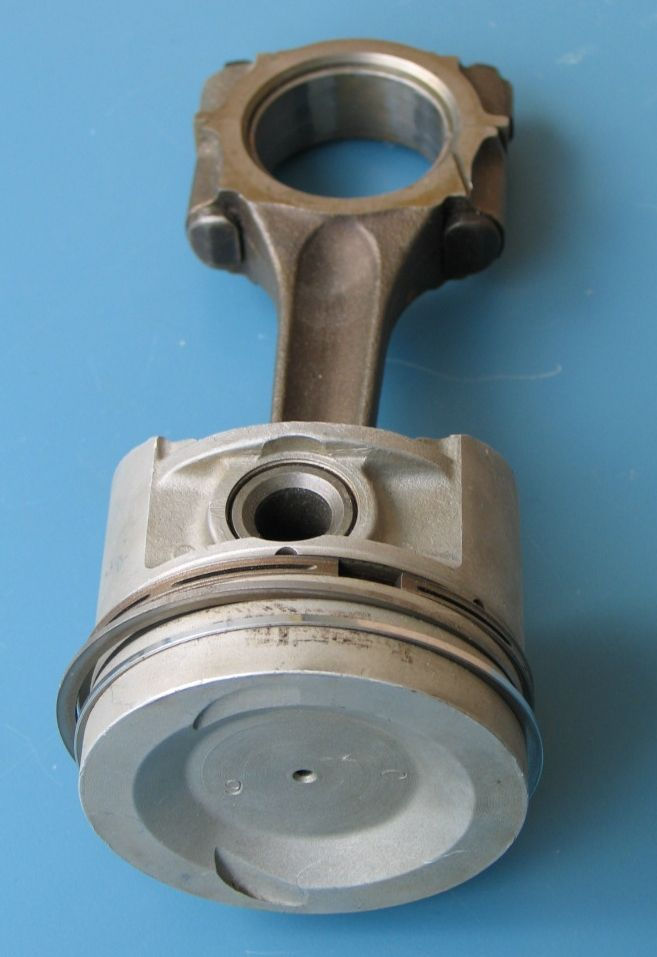
The automobiles of my father‘s day needed attention … oil was ‘topped up’ … tires went ‘porous’… radiators ‘boiled over.’ He told me, “When you change a tire, tap the dipstick on the lug nut. The oil will free it up.” His most cryptic automotive expression, about cars and about life, was to be at ‘top dead center’… a piston stopped at the top of its travel, the engine wouldn’t start until you rotated the crankshaft a few degrees with the hand crank. I’m sometimes at top dead center … at a standstill, a little lost and looking for the hand crank.
-
Uncle Austin was Fred’s great uncle … his father’s mother’s brother. Fred could not recollect ever meeting Uncle Austin. He lived far away. From Fred’s earliest years, at every birthday, Christmas and on myriad saints’ days, Uncle Austin mailed Fred an envelope with a prayer card and other churchy bric-a-brac. Fred kept this stuff in a shoebox, mostly unopened. Uncle Austin died the same year Fred graduated high school. Fred learned then that, for every envelope Uncle Austin sent him, Uncle Austin put five dollars in a savings account in Fred’s name. All those prayer cards … and now college.
-
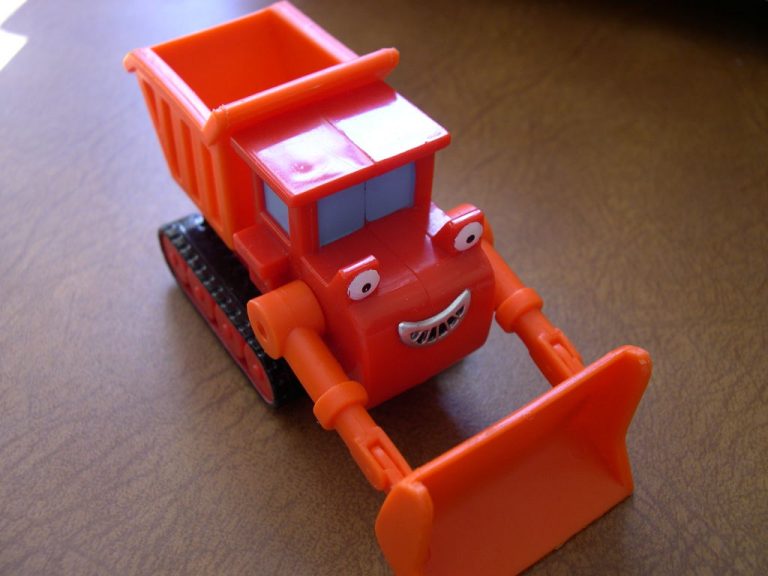
He came to an evening service in Holy Week. I’d not seen him for quite a spell. After the service, we exchanged pleasantries in the quiet of the church, that we were getting on OK and spring was late this year. Then I asked him, “What brought you here tonight?” He said, “You remember that little kid used to run his toy truck up and down the aisle?” I thought maybe I did and said so. The man continued, “He’s in the choir now. That’s nice to see.” When he left, I was pretty sure I’d see him on Sunday.
-
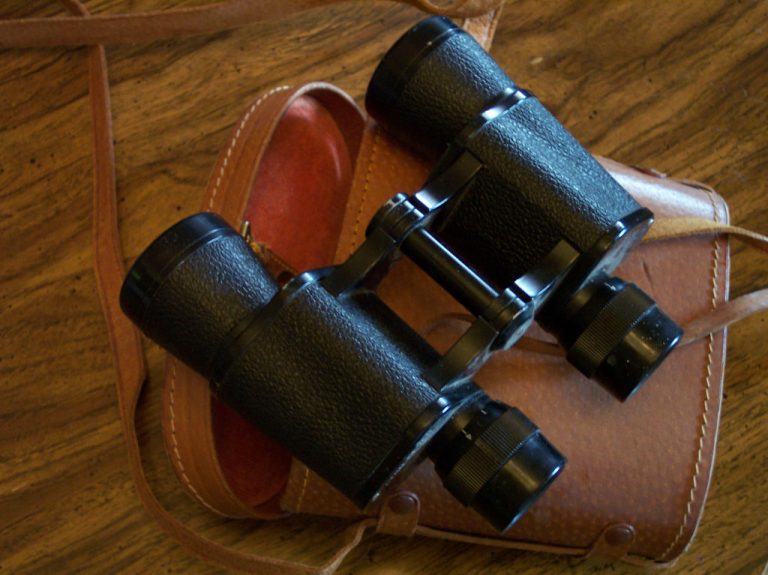
A faraway city where cameras and watches are sold for a song, I shopped for binoculars. An acquaintance said, “You must negotiate the price. I’ll help you!” We found a store with exactly what I wanted. The back and forth began. At last, the price agreed, I paid for my binoculars and we turned to leave. The proprietor said, “Wait!” He went behind a curtain and returned with two bottles of 7-Up, a straw in each. “For you!” He smiled and bowed. My crestfallen negotiator confessed, “It’s the custom. They give you a drink if they’ve won the negotiation.”
-
Margot had a terrible illness but the cure proved worse. Long days at the hospital, painful treatments. Margot thought she could not go on. One low day in the course of Margot’s treatments, a woman asked Margot, “Would you like to go to church?” Margot said “No, thank you.” The woman said, “Well then, why don’t we just take a nice, long drive?” On Sunday afternoons, they went. They talked and looked out the windows and talked. Did you ever go for a drive and stop twice for ice cream? Margot and the woman did. More than a few times.
-
In 1974, I hired on detailing cars at a used car lot. Morris, a salesman, was the only African American there. All day he stood by the glass door and watched the lot. Anyone pulled in to kick some tires, Morris went on out. Morris outsold the other salesmen and they hated him for it. I ask Morris how he did it. “I aim to sell one a day. Man can get by on one a day.” I quit that job and bought a ‘58 Dodge from Morris. Dodge’s long gone but Morris’s “One a day” is still with me.
-
As a boy, I wanted to be a third baseman like Bubba Phillips and play for the Cleveland Indians. Bubba made it look easy but I struggled. For one thing, I am left-handed. A left-hander can’t make the quick throw to first. It’s awkward, ungraceful. No one ever told me that. Years later, my baseball career in tatters, I visited the rector of my church. I told him I was called to the priesthood. This elder looked at me for a long moment and said one word: “Deacon.” So it was. At last. Someone said something before it was too late.
-
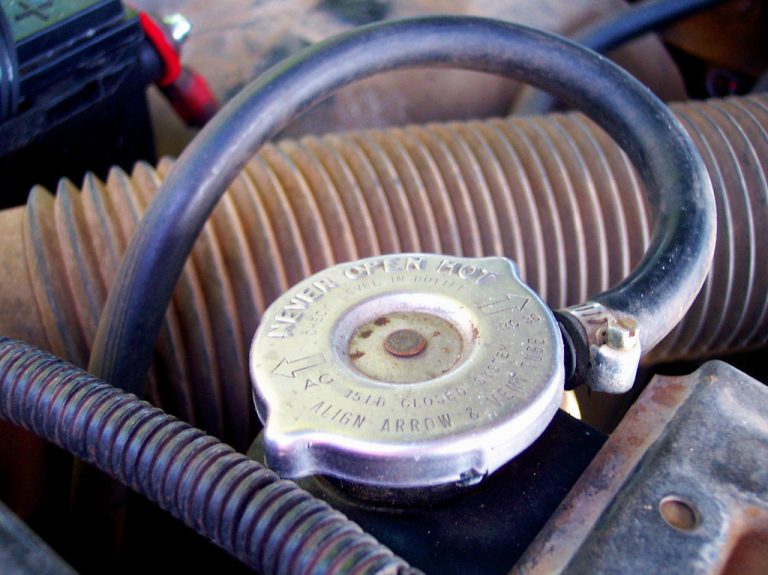
In 1932, my mother and her sister drove a 1924 Dodge south through the New Mexico desert on their way to Mexico. Steam came from under the hood. A man at a gas station said, “Radiator’s busted. Six dollars.” They paid and pressed on. More steam. The man with the tow truck said, “Water pump’s shot. Four dollars.” In Mexico, again, the steam. A mechanic in overalls smoked and listened intently to their long, sad story of the water pump and the radiator. He said, “The trouble is the radiator cap. It is my gift to the senoritas. De nada!”